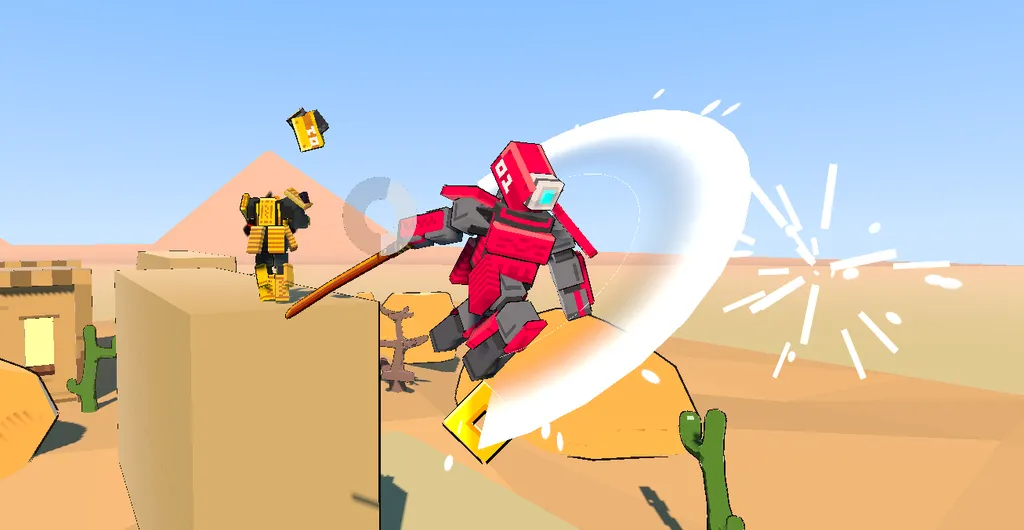
An action runner where the katana dash is both your attack and your speed.
Screenshots
Project devlog
About
What it is#
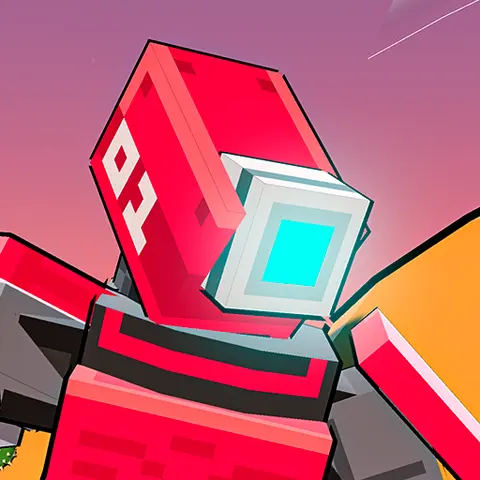
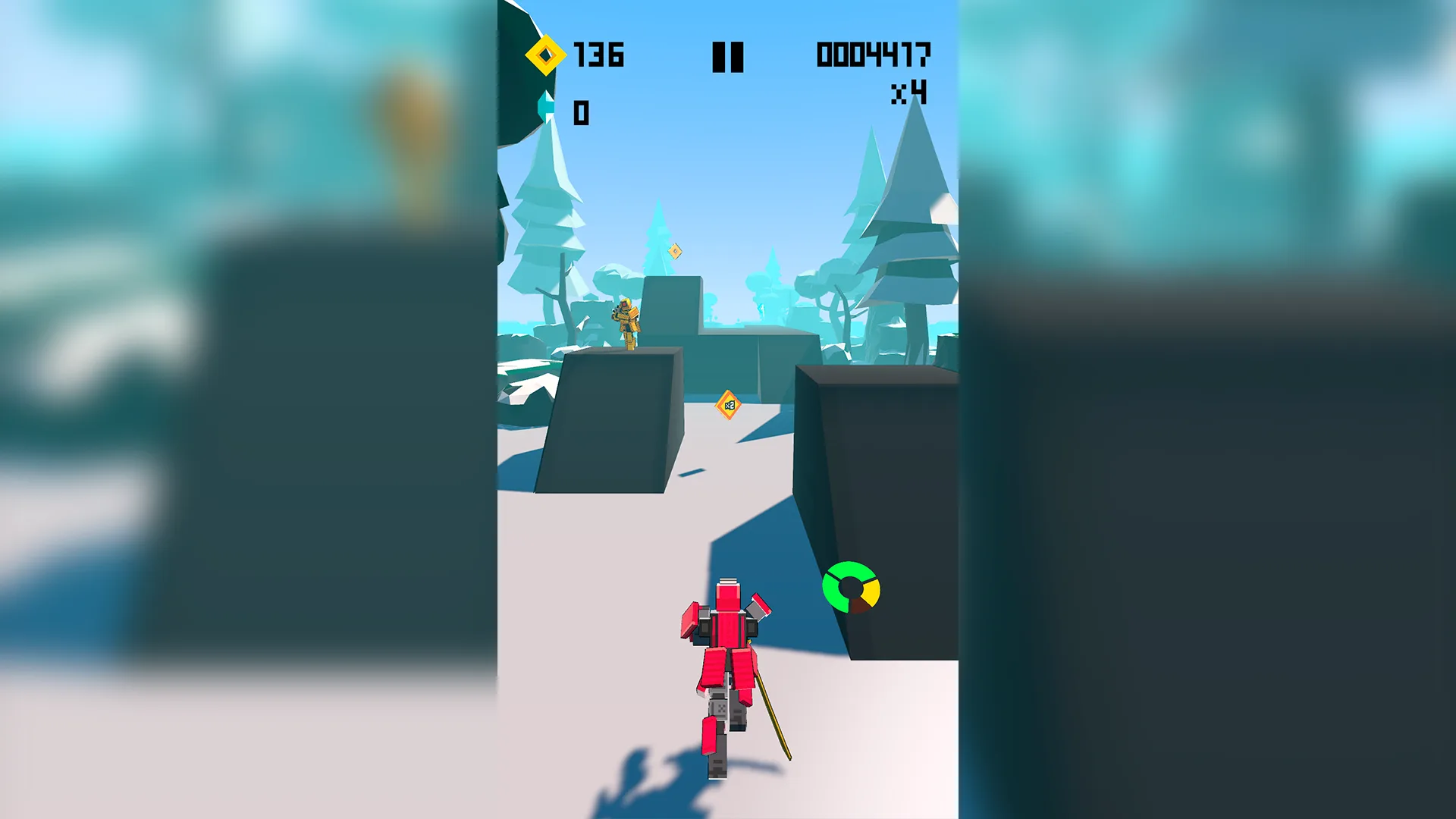
Katana Rush is an endless runner about a cyber-samurai on a mission. Three lanes, a jump, a fast fall and a katana dash. One-handed controls, a two-minute run, and all the depth packed into a single action.
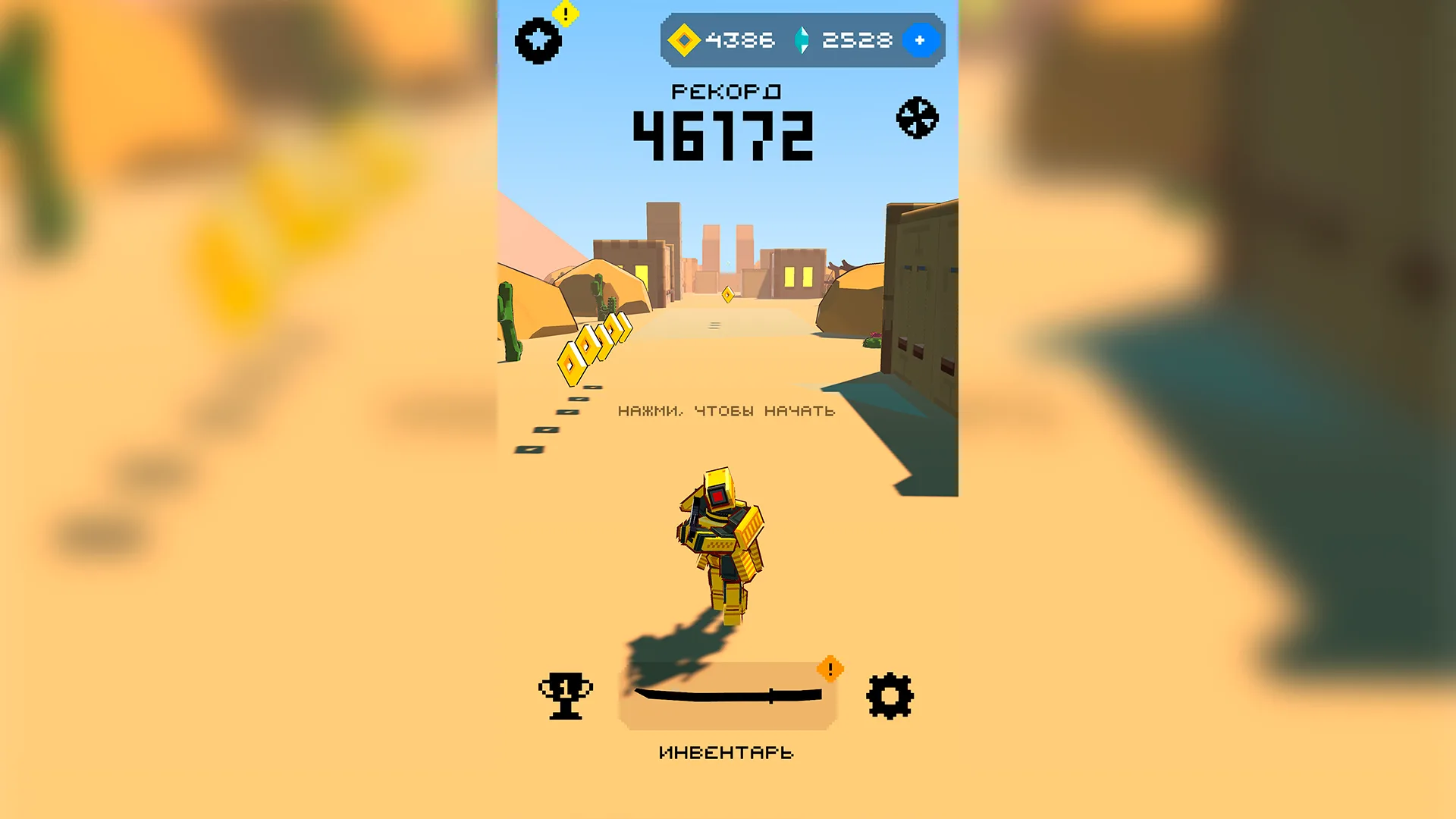
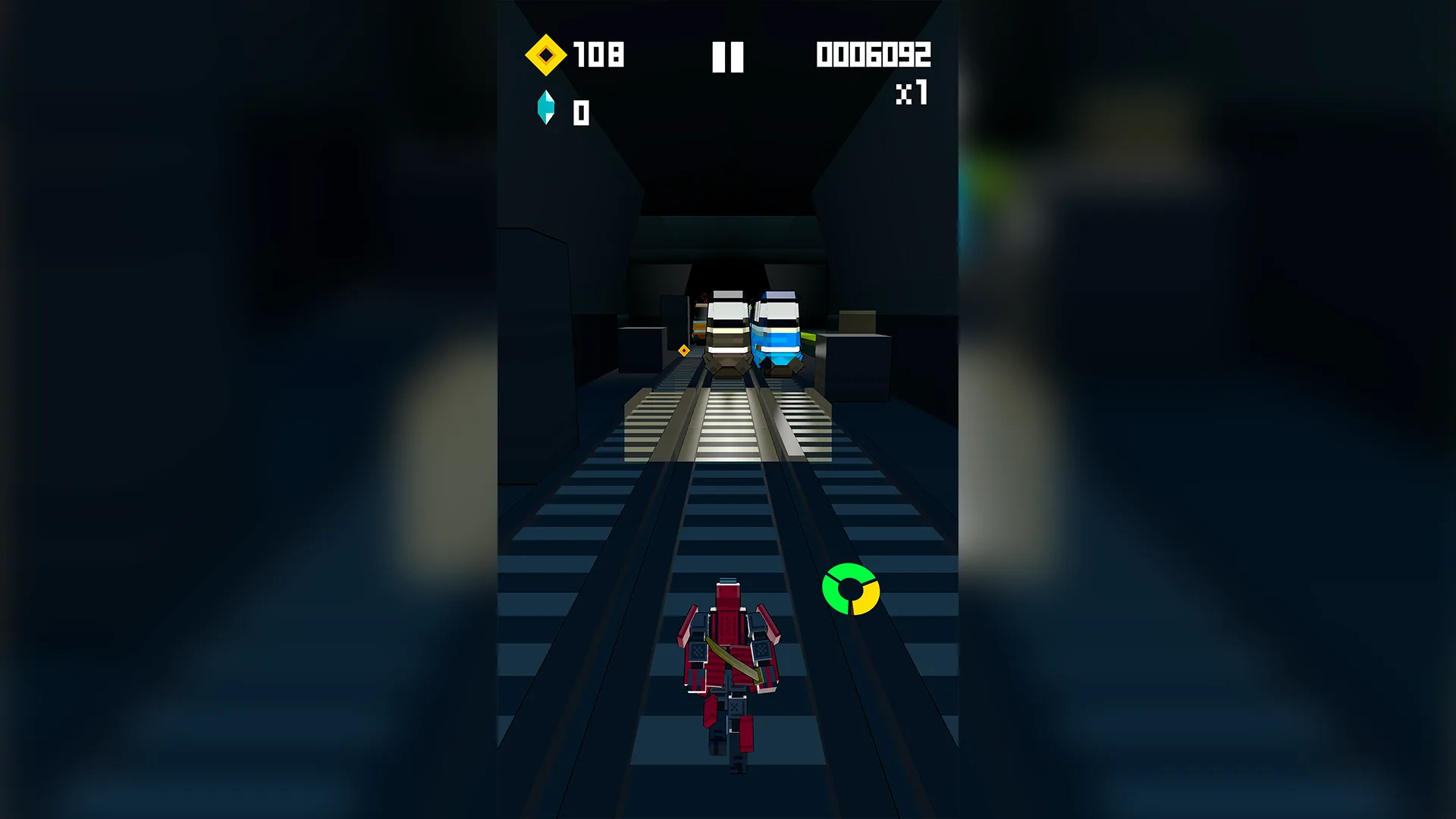
Four worlds shift while you run: desert, snowy wasteland, a neon synthwave street and the depths of the metro. Each one has its own rhythm, obstacles and enemy mix.
How it plays#
The dash is an attack, a speed boost and a way across a gap. It burns charges, so you are always deciding where they go. Killing an enemy refills a charge through a progress bar rather than instantly, deflecting a bullet adds a third of one, and a slow passive trickle runs underneath. Sources stack and progress never burns away.
That creates the core risk: dashing into empty air restores almost nothing and can end the run. Spamming is a bad deal, aiming is a good one. The shooter stops being an annoyance and becomes fuel, and sometimes you run at one on purpose.
What is inside#
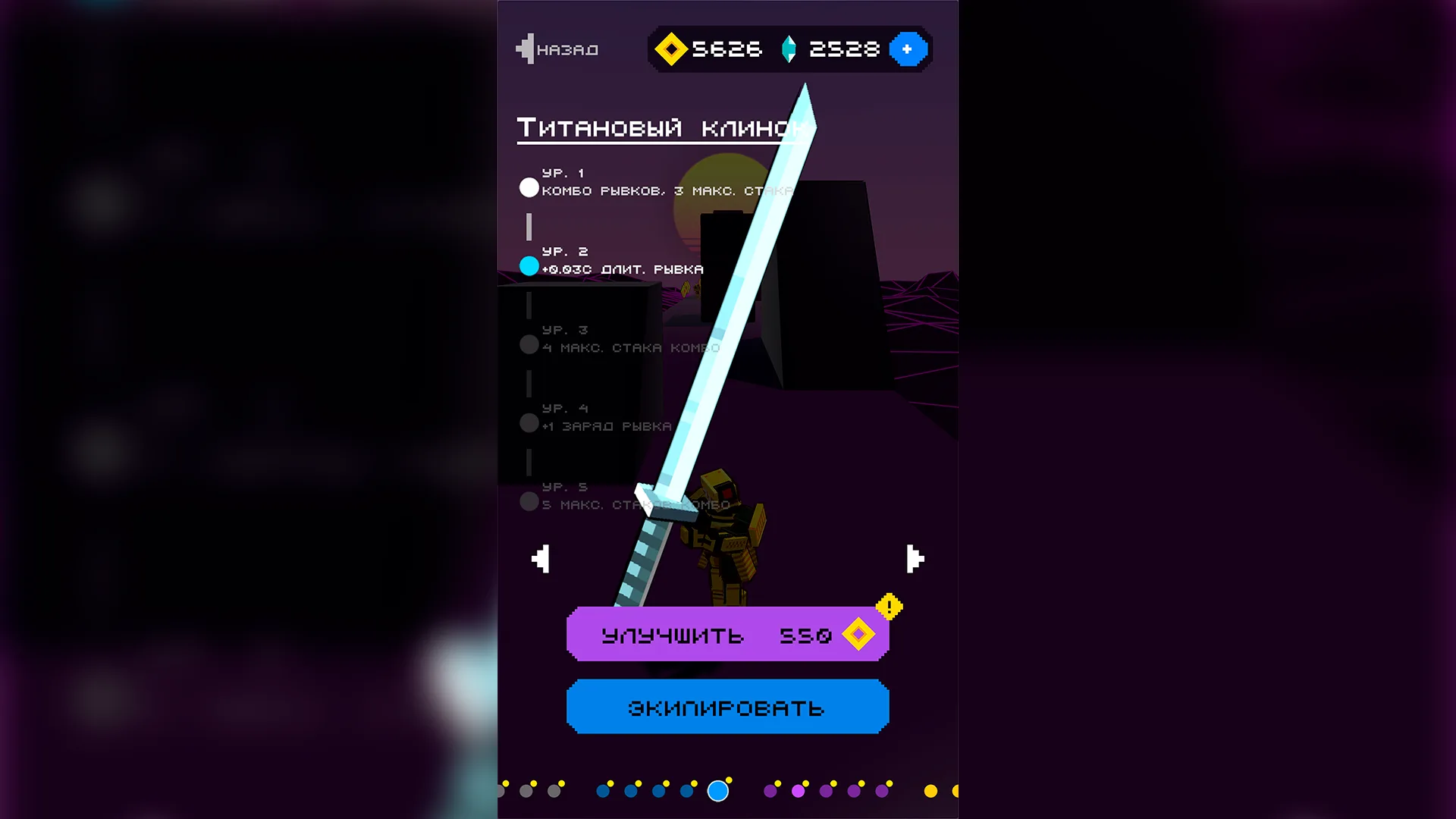
- Over twenty katanas, each reshaping the run: piercing several droids at once, chained dashes that keep accelerating, bullet deflection, double jump, slow fall, ghost step
- Upgrade branches per style: coins and magnets, score multipliers up to 2x, coin streaks up to 4x, shields and extended invincibility
- Pre-run boosters: shield, magnet, double coins
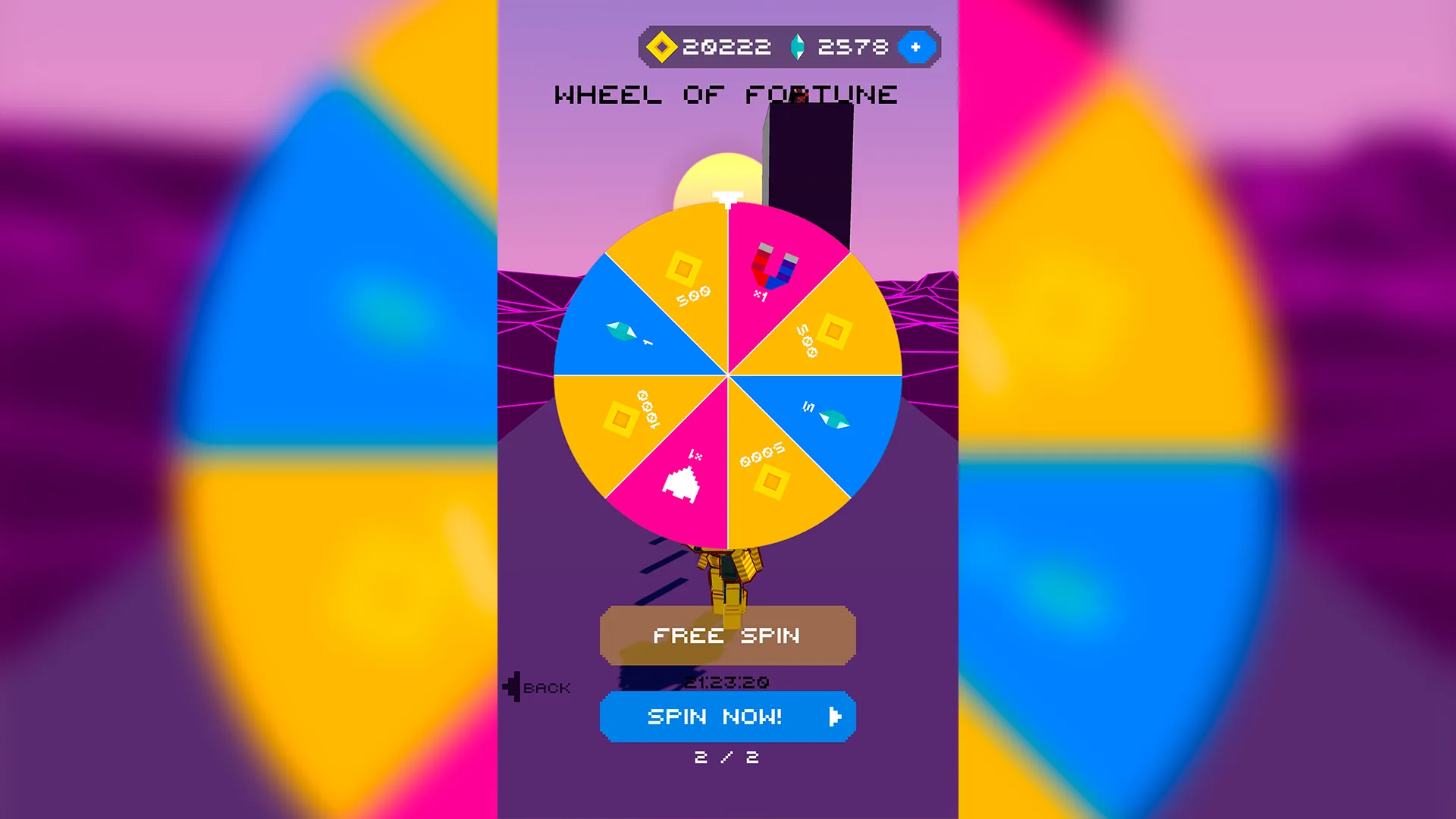
- A daily Wheel of Fortune, a coin-to-diamond exchange, 17 achievements, leaderboards for score and distance
- Day and night cycle, mirrored level variants, moving trains in the metro
- A first-run tutorial and contextual hints across the screens
How it was made#
Unity 6.3 on URP, around 250 scripts, and the whole game assembled from twelve base level elements. Biomes differ by recipe rather than content: the proportions of those elements and the generation rules. One asset set, four distinct feelings.
Levels got their own editor package, SceneArchitect: programmatic scene and prefab editing with automatic reference resolution. It knows nothing about game types and works through reflection, so it moves to other projects as is.
The platform layer is split by build: Yandex Games, Google Play and a stub for local development. Leaderboards, ads, purchases and cloud saves sit behind one interface, and the game never knows where it runs.